

As a supplier of distribution transformers, I often get asked whether a distribution transformer can operate at overload. It's a valid question, especially considering the dynamic nature of electrical loads. Let's dive into this topic and see what's what.
First off, what exactly is an overload situation for a distribution transformer? Well, a distribution transformer is designed to handle a certain amount of electrical load under normal conditions. This is specified by its rated capacity, usually in kilovolt - amperes (kVA). When the actual load exceeds this rated capacity, we're talking about an overload.
Now, the short answer is yes, a distribution transformer can operate at overload, but it's not as simple as just saying "go for it." There are a few things to consider.
How Does a Transformer React to Overload?
When a distribution transformer is overloaded, the most immediate effect is increased heat generation. You see, transformers work on the principle of electromagnetic induction. When there's more current flowing through the windings due to an overload, the resistive losses (also known as copper losses) increase significantly. These losses are proportional to the square of the current. So, even a small increase in the load current can cause a big jump in the heat produced.
This extra heat is a problem because it can degrade the insulation material inside the transformer. The insulation is crucial as it prevents short - circuits between the windings. If the insulation gets damaged due to overheating, it can lead to electrical faults, and in the worst - case scenario, a complete failure of the transformer.
Factors Affecting Overload Capacity
Not all distribution transformers are created equal when it comes to handling overloads. There are several factors that play a role in determining how well a transformer can handle an overload situation.
-
Design and Construction: Some transformers are built with better heat - dissipation mechanisms. For example, 3 Phase Oil Immersed Distribution Transformer uses oil as a cooling medium. The oil not only helps in dissipating heat but also provides additional insulation. Transformers with larger cooling surfaces or better ventilation systems can handle overloads better as they can get rid of the excess heat more efficiently.

-
Ambient Temperature: The temperature of the surrounding environment matters a lot. If it's already hot outside, the transformer has a harder time getting rid of the heat generated during an overload. A transformer that can handle a certain overload in a cool climate might struggle in a hot one.
-
Duration of Overload: A short - term overload is different from a long - term one. Transformers can usually tolerate short spikes in the load. For instance, if there's a sudden surge in demand for a few minutes, the transformer can handle it without too much damage. But if the overload persists for hours or days, the cumulative effect of the heat can be very damaging.
Types of Overloads
There are two main types of overloads that a distribution transformer might face:
-
Emergency Overload: This is an unexpected situation where the load suddenly exceeds the rated capacity. It could be due to a power outage in another part of the grid, and all of a sudden, your transformer has to pick up the slack. In such cases, the transformer can be operated at a high overload for a short period, but it needs to be monitored closely.
-
Continuous Overload: This is a more chronic problem. It happens when the load on the transformer is consistently higher than its rated capacity over a long time. This can be due to poor load planning or an increase in the number of consumers without upgrading the transformer. Continuous overload is much more dangerous as it can lead to long - term damage to the transformer.
Monitoring and Protection
As a supplier, I always stress the importance of proper monitoring and protection systems. There are various devices available that can keep an eye on the load and temperature of the transformer. For example, thermal sensors can detect when the temperature inside the transformer is getting too high. If an overload is detected, these systems can send an alarm to the operator, who can then take appropriate action.
Some transformers also come with built - in protection mechanisms. Fuses and circuit breakers can be used to cut off the power in case of a severe overload, preventing damage to the transformer.
Our Product Range and Overload Capability
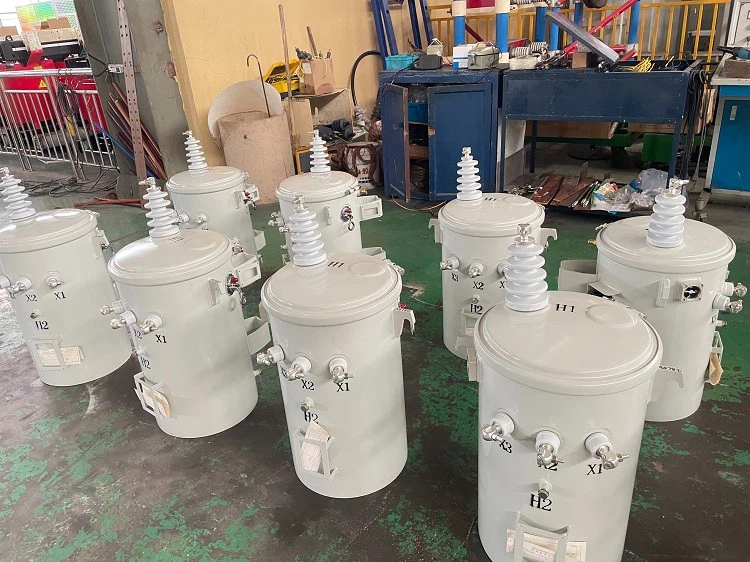
We offer a wide range of distribution transformers, each designed to meet different needs. Our Single Phase Overhead Distribution Transformer is great for rural areas where the load is relatively small and spread out. These transformers are designed to handle short - term overloads that might occur during peak usage times.
For larger commercial and industrial applications, our Step Down Power Distribution Transformer is a popular choice. These transformers are built with robust cooling systems and high - quality insulation materials, which allows them to handle higher loads and occasional overloads.
Making the Right Decision
So, when it comes to operating a distribution transformer at overload, it's all about making the right decisions. If you know that your load is likely to exceed the rated capacity occasionally, you might want to consider upgrading to a larger transformer. However, if the overloads are rare and short - lived, you can rely on the transformer's ability to handle them, as long as you have proper monitoring and protection in place.
As a supplier, I'm here to help you make the best choice for your needs. Whether you're dealing with a small residential installation or a large industrial complex, we have the expertise and the products to ensure that your power distribution system runs smoothly.
If you're interested in learning more about our distribution transformers or have questions about overload capabilities, don't hesitate to reach out. We're always happy to have a chat and help you find the right solution for your power needs.
References
- "Transformer Engineering: Design, Technology, and Diagnostics" by George Karady and G. Venkata.
- IEEE Standard C57.91 - Guide for Loading Mineral - Oil - Immersed Transformers.