

As a supplier of overhead distribution transformers, I've witnessed firsthand the importance of a smooth replacement process for aging transformers. In this blog, I'll walk you through the replacement procedures for an old overhead distribution transformer, sharing insights based on our industry experience.
1. Pre - replacement Assessment
Before initiating the replacement process, a comprehensive assessment of the old transformer is crucial. This involves several steps:
Visual Inspection
Conduct a thorough visual inspection of the transformer. Look for signs of physical damage such as cracks in the tank, loose connections, or signs of oil leakage. Check the condition of the bushings, which are critical for electrical insulation. Damaged bushings can lead to electrical failures and pose a safety hazard.
Electrical Testing
Perform electrical tests to evaluate the transformer's performance. This includes measuring the winding resistance, which can indicate if there are any short - circuits or open - circuits in the windings. Another important test is the insulation resistance test. A low insulation resistance value may suggest moisture ingress or insulation degradation, which can significantly reduce the transformer's lifespan.
Oil Analysis
For oil - immersed transformers, oil analysis is essential. The oil in a transformer serves as both a coolant and an insulator. Analyze the oil for contaminants, moisture content, and dielectric strength. Contaminated or degraded oil can lead to overheating and electrical breakdowns.
2. Selecting the Replacement Transformer
Once the assessment is complete and it's determined that a replacement is necessary, the next step is to select the appropriate transformer.
Capacity and Rating
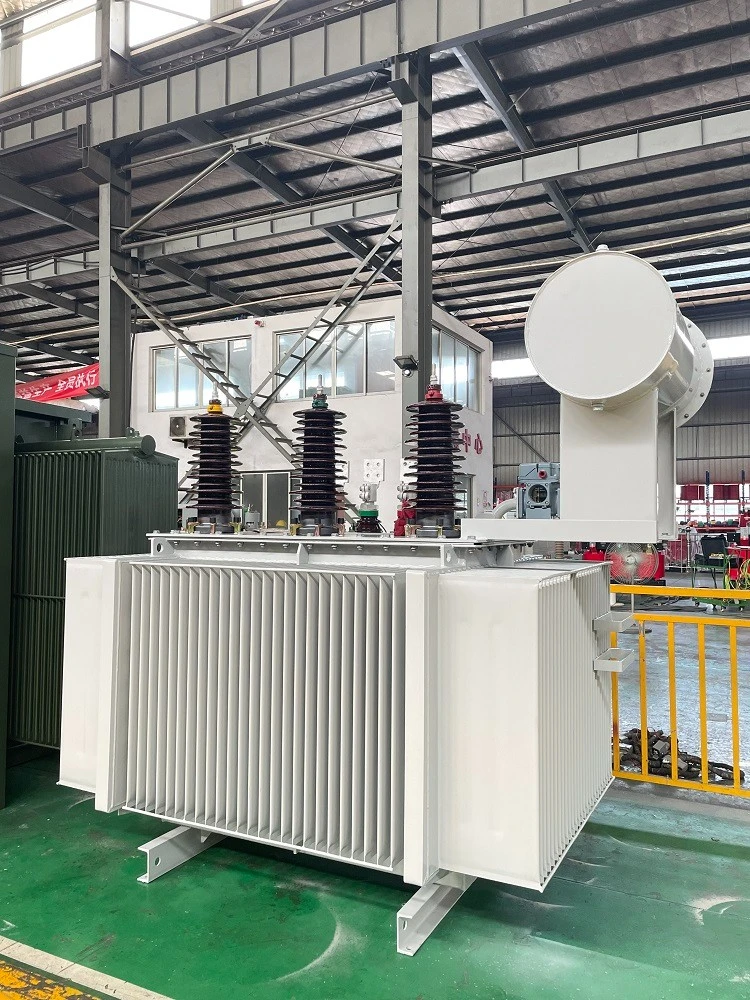
Choose a transformer with the right capacity and rating to meet the electrical load requirements. Consider factors such as the current and future load growth in the area. For example, if the area is experiencing rapid development, a transformer with a higher capacity may be required. Our 15kv 630kva Oil - immersed Distribution Transformer is a great option for medium - sized loads in areas with specific voltage requirements.
Type of Transformer
There are different types of overhead distribution transformers available, such as oil - immersed and dry - type transformers. Oil - immersed transformers are more commonly used due to their better heat dissipation properties. Our Oil - immersed Distribution Transformer is designed to provide reliable performance in various environmental conditions. Three - phase power distribution transformers are also widely used for industrial and commercial applications. Check out our 3 Phase Power Distribution Transformer for such requirements.

Compatibility
Ensure that the replacement transformer is compatible with the existing electrical system. This includes factors such as the voltage levels, connection types, and mounting requirements.
3. Obtaining Necessary Permits
Before installing the new transformer, it's important to obtain all the necessary permits from the local authorities. These permits ensure that the installation complies with safety and regulatory standards. The permit application process may involve submitting detailed plans and specifications of the replacement project, including the type and capacity of the new transformer, the installation location, and the electrical connections.
4. Preparing the Installation Site
The installation site needs to be properly prepared to ensure a safe and successful installation.
Clearing the Area
Clear the area around the old transformer of any debris, vegetation, or obstacles. This will provide easy access for the installation team and prevent any potential hazards during the replacement process.
Inspecting the Mounting Structure
Check the condition of the mounting structure, such as the pole or the platform. Ensure that it is strong enough to support the weight of the new transformer. If necessary, repair or reinforce the mounting structure.
Marking the Installation Location
Mark the exact location where the new transformer will be installed. This will help ensure accurate placement and proper alignment.
5. Removing the Old Transformer
Once the site is prepared, it's time to remove the old transformer.
Isolating the Power
Before starting the removal process, the power supply to the transformer must be completely isolated. This involves shutting off the circuit breakers and disconnecting the electrical connections. Safety procedures should be strictly followed during this step to prevent electrical shocks.
Draining the Oil (for Oil - immersed Transformers)
If the old transformer is oil - immersed, the oil must be drained safely. The oil should be collected in appropriate containers and disposed of in accordance with environmental regulations.
Disconnecting the Transformer
Carefully disconnect all the electrical connections, including the primary and secondary windings. Remove any mounting bolts or brackets that hold the transformer in place.
Lowering the Transformer
Use appropriate lifting equipment, such as a crane or a hoist, to lower the old transformer safely to the ground.
6. Installing the New Transformer
After removing the old transformer, the new one can be installed.
Lifting the New Transformer
Use the lifting equipment to hoist the new transformer into position on the mounting structure. Ensure that the transformer is properly aligned and level.
Making Electrical Connections
Connect the primary and secondary windings of the new transformer to the electrical system. Follow the manufacturer's instructions and electrical codes to ensure proper connections.
Filling the Oil (for Oil - immersed Transformers)
If the new transformer is oil - immersed, fill it with the appropriate type and amount of oil. Check for any oil leaks after filling.
Testing the Installation
Once the installation is complete, perform a series of tests to ensure that the new transformer is functioning properly. This includes electrical tests, such as measuring the voltage and current levels, and checking the insulation resistance.
7. Post - installation Checks and Commissioning
After the installation and testing, several post - installation checks are required.
Inspecting the Installation
Conduct a final inspection of the installation to ensure that all connections are tight, there are no signs of damage, and the transformer is operating within normal parameters.
Commissioning the Transformer
Gradually restore the power supply to the transformer and monitor its performance. Check for any abnormal noises, vibrations, or temperature rises.
8. Disposal of the Old Transformer
The old transformer must be disposed of properly. This may involve recycling the materials, such as the metal and the oil. Ensure that the disposal process complies with all environmental regulations.
Conclusion
Replacing an old overhead distribution transformer is a complex process that requires careful planning, proper equipment, and strict adherence to safety and regulatory standards. As a supplier of overhead distribution transformers, we are committed to providing high - quality products and supporting our customers throughout the replacement process. If you are in need of a new overhead distribution transformer or have any questions about the replacement procedures, we invite you to contact us for a detailed discussion and to explore our range of products.
References
- IEEE Standards for Power Transformers
- National Electrical Safety Code (NESC)
- Environmental Protection Agency (EPA) Guidelines for Transformer Oil Disposal